




Maritime traffic hits rock bottom

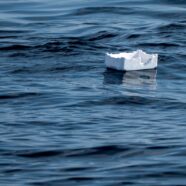
On May 25, 2025, the dilapidated container ship MSC Elsa 3, which was certified as suitable for sea transport by the French group Veritas, sunk south of Kochi, State of Kerala, India. Fifteen days later, a white tide of plastic pellets is invading ports and beaches. Twenty-five kilogram (plastic) bags of pellets wash up on the shore as well. Fishing is banned in a large area. This means desolation for the coastline and thousands of fishermen who live there. The government of the Indian Union is trying to reassure them. Currently 100 meters below sea-level, the wreck of the Elsa 3 should be raised from the seafloor to recover all of the containers in her hold. All the containers that were on the bridge are already adrift. Initial findings suggest that a malfunction in the ballast water tank filling system caused the sudden and uncontrollable list.
Illuminati

July 13th, 14th, in France and all summer long, millions will gather at night to cheer fervently fireworks.
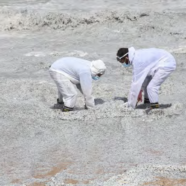
Fireworks are the simulacrum and the ersatz of war. Vertical flares pollute the sky and horizontal flares are used as weapons.
OSPAR loses the Arctic
Report
OSPAR comes from the fusion in 1992 of the Paris Convention for the Prevention of Marine Pollution from Land-based Sources and the Oslo Convention for the Prevention of Marine Pollution by navy and aircraft immersion operations. The latter was initiated following the shock of the oil spill from the Torrey Canyon March 18, 1967.
OSPAR is dedicated to the protection of the northeast Atlantic Ocean. It is a pilot fish. The work of its 5 committees – Biodiversity, Offshore Industry, Radioactive Substances, Environmental Impact of Human Activities, Hazardous Substances and Eutrophication – allows better understanding and combat of the many pressures on marine ecosystems from the open sea of Portugal to the Arctic Ocean. This success is notably materialized by a quality status report without concession of the OSPAR zone in 2010 (1). Seven years later, the OSPAR pilot fish is threatened of asphyxia by the Arctic countries. Robin des Bois has returned from the Biodiversity and Offshore Industry committees which gathered in Berlin and in Oslo the first two weeks of March.