






Syrian chemical weapons
In 2013 and 2014, Robin des Bois published 6 information notes accompanied by maps, based on its culture of war waste management and telephone conferences with the OPCW (Organisation for the Prohibition of Chemical Weapons) and its experts concerning the destruction of components of Syrian chemical weapons on board a US Navy factory ship, the Cape Ray.
80 years later, they are killing and polluting
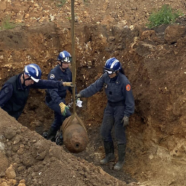
In Normandy, there are at least 60 expressions for different shades of rain. Since D-Day, there has been a 61st one: “bomb rain”. Robin des Bois’ 9th inventory of the discoveries of bombs and other munitions in France and Germany is dedicated to Normandy, a considerable task and a mission that will last several centuries and will surely never end. On 6 June 2024, all heads of State should formally declare war on all bombing.
Shell abuse
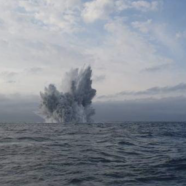
On the 80th commemoration of the Normandy landings, Robin des Bois publishes its 9th inventory of discoveries and blasting of unexploded ordnance after the wars.
Sea Uprisings
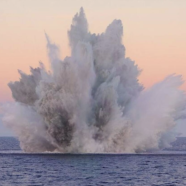
The Atlantic and Mediterranean oceans are severely mutilated by war. At their bottoms lie thousands of unexploded weapons dropped during the last two world wars, or deliberately dumped afterwards. In the past and present, belligerent countries have devoted derisory and intermittent resources to getting rid of the submerged munitions.
The Cursed Dnieper
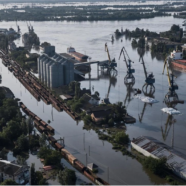
The earliest terrorist act with the intention to flood a city goes back to the Mongol conqueror Genghis Khan. In 1209, in order to put a quicker end to the siege on Yinchuan, the capital of the Western Xia dynasty (now in north-west China), Genghis Khan set out with his troops to divert a branch of the Huang He, the Yellow River. The makeshift dam broke and the ploy backfired. It was Genghis Khan’s camp that was flooded.