




“On the Trail” n°40, the defaunation bulletin

“On the Trail” n°40
the defaunation bulletin
(pdf, 261 pages – 8.2 Mb)
1,532 events with references, checked, analysed, commented and strengthened
between March 1 and May 31, 2023.
376 iconographic documents,
10 maps and historical archives.
Frogs : appeal from more than 550 scientists and veterinarians
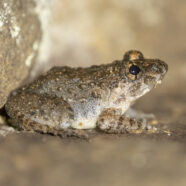
Trade in frogs’ legs must be curbed, President Macron!
Paris, Munich, March 6, 2024 – In a joint letter, 557 experts from research, nature conservation and veterinary medicine have called on French President Emmanuel Macron to end the overexploitation of frogs in Asia and Southeast Europe for the EU’s hunger for frogs’ legs. France, as the largest consumer, should initiate the international protection of the most traded frog species through the Convention on International Trade in Endangered Species of Wild Fauna and Flora (CITES). The letter is an initiative of Robin des Bois, the Veterinarians for Biodiversity (Vétérinaires pour la Biodiversité) and the German organization Pro Wildlife. A similar request was made by 46 NGOs on January 25 to Mr Béchu, the French Minister for Ecological Transition. So far, this letter has gone unanswered. “Are the French doomed to be froggies? It’s time to remember that frogs are also voluntary helpers for farmers. When they disappear, pests proliferate and the use of pesticides increases” points out Charlotte Nithart, President of Robin des Bois.
Frogs’ legs: letter from 42 NGOs to European ministers
On the initiative of Robin des Bois and Pro Wildlife, 42 NGOs*, including 18 French ones, yesterday wrote to the environment ministers of the 27 EU Member States asking them to put an end to uncontrolled imports of frogs’ legs and to propose, at the next Conference of the Parties to CITES (Convention on International Trade in Endangered Species of Wild Fauna and Flora) in 2025, the inclusion in Appendix II of frog species whose legs are imported into Europe for culinary purposes. Appendix II enables control of international trade. The NGOs are also calling for imports to be suspended because of the unacceptable and cruel killing methods used. The letter sent is available by clicking on the link.
(Français) Consultation publique – demande de dérogations permettant la capture de grenouilles rousses
“On the Trail” n°39, the defaunation bulletin

“On the Trail” n°39
the defaunation bulletin
(pdf, 192 pages – 6.7 Mo)
For a Chrismas eve without extinction: “The frog on your Christmas plate…”

Social media campaign warns of serious environmental problems caused by France’s Christmas consumption peak
Paris / Munich / December 4, 2023 – In the run-up to Christmas, the French based organisation Robin des Bois and the German based organisation Pro Wildlife have launched a joint information campaign on social media to highlight the origin of the millions and millions of frogs’ legs being annually consumed. “French consumers believe the frogs on their plate come from nearby ponds and swamps. Instead, the vast majority is caught in the wild in far distant countries” underlines Charlotte Nithart, president of Robin des Bois. Biologist Sandra Altherr from Pro Wildlife adds: “Our campaign illustrates the many problems associated with a dish that is consumed carelessly but causes an ecological disaster and millions of animal suffering. Where frogs are missing as a natural insect control, the use of pesticides increases.”

“On the Trail” n°38, the defaunation bulletin
“On the Trail” n°38,
the defaunation bulletin
1584 events with references, checked, analysed, commented and strengthened between October 1 and December 31, 2022
397 iconographic documents 12 maps and historical archives
(pdf, 256 pages – 8.9 Mo)
“On the Trail” n°37, the defaunation bulletin
“On the Trail” n°37, the defaunation bulletin
1439 events with references, checked, analysed, commented and strengthened between
July 1 and September 30, 2022
359 iconographic documents 13 maps and historical archives
(pdf, 236 pages – 8.3 Mo)
“Frog Fair” in Vittel: Fast Food, Fast Extinction

Biodiversity damage and animal suffering on the menu of the largest frogs’ legs meal in the world
Paris / Munich / April 17, 2023 – During the “Frog Fair” in Vittel in the Vosges region of France, which will take place this year on 22 and 23 April, about seven tonnes of frog legs are consumed in just two days by some 20,000 visitors. “For this event alone, up to 350,000 frogs are caught, especially in Indonesia and Turkey, where frog populations are already in alarming decline,” reports Charlotte Nithart of the French organisation Robin des Bois. And Dr Sandra Altherr from the German organisation Pro Wildlife adds: “Do the visitors know that for their snacks, frogs are amputated alive on the other side of the world?”