



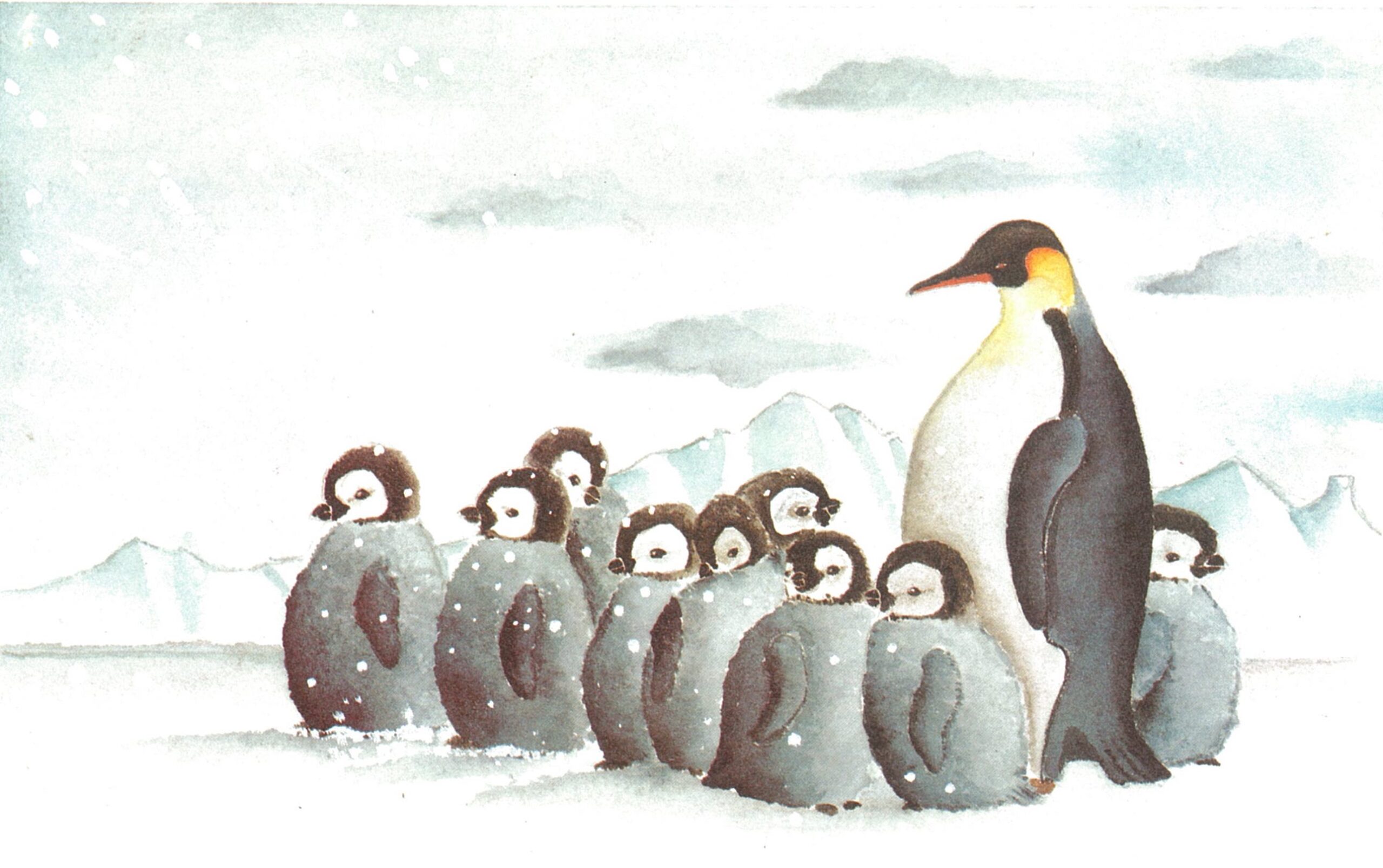
Emperor penguins (Aptenodytes forsteri) – Omar Faye
Long-tailed pygmy rice rats (Oligoryzomys longicaudatus) are suspected of being the origin of the hantavirus outbreak that struck the polar expedition ship Hondius, operated by the Dutch company Oceanwide. Rats feel at home in South America’s open landfills, particularly the one in Ushuaia, where waste from 80,000 residents and food waste from expedition ships shuttling between sub-Antarctic Patagonia and the Antarctic Peninsula is dumped.
The transmission of pathogens from wild animals to humans can have a tragic dimension for individuals, families and humanity. However, the transmission of pathogens from humans to wild animals must not be underestimated or “invisibilized”. The universal One Health approach promoted in France and Europe by ANSES (the French Agency for Food, Environmental and Occupational Health & Safety) brings wisdom and justice by integrating the protection of the environment, the protection of the human beings and the protection of non-human animals and plants into a single thought. However, for the time being, in the “One Health” as currently outlined, human health is the priority. The risks to wild animals of being infected by human pathogens receive only anecdotal or limited attention.
The wildlife in Antarctica is so fragile that we should enter there with as much discretion and caution as we would in an operating room. The study on infectious diseases in Antarctic penguins published in 2014 by Grimaldi et al. in Polar Biology highlights that “the immunological naïveté of Antarctic species makes them vulnerable to pathogen’s commonplace in other parts of the world”. In 2021, tourists were identified as potential vectors for the transmission of Covid-19 to Antarctic wildlife. Endemic species such as penguins and seals are particularly vulnerable, and there is no possibility of implementing “lockdown” measures for infected Antarctic animal populations.
Tourism in Antarctica – currently 120,000 customers, referred to as “guests” or “visitors”, and 4 times more in 10 years – poses a major threat. “The risk of anthropogenic pathogen introduction is greater than ever,” according to Grimaldi et al.
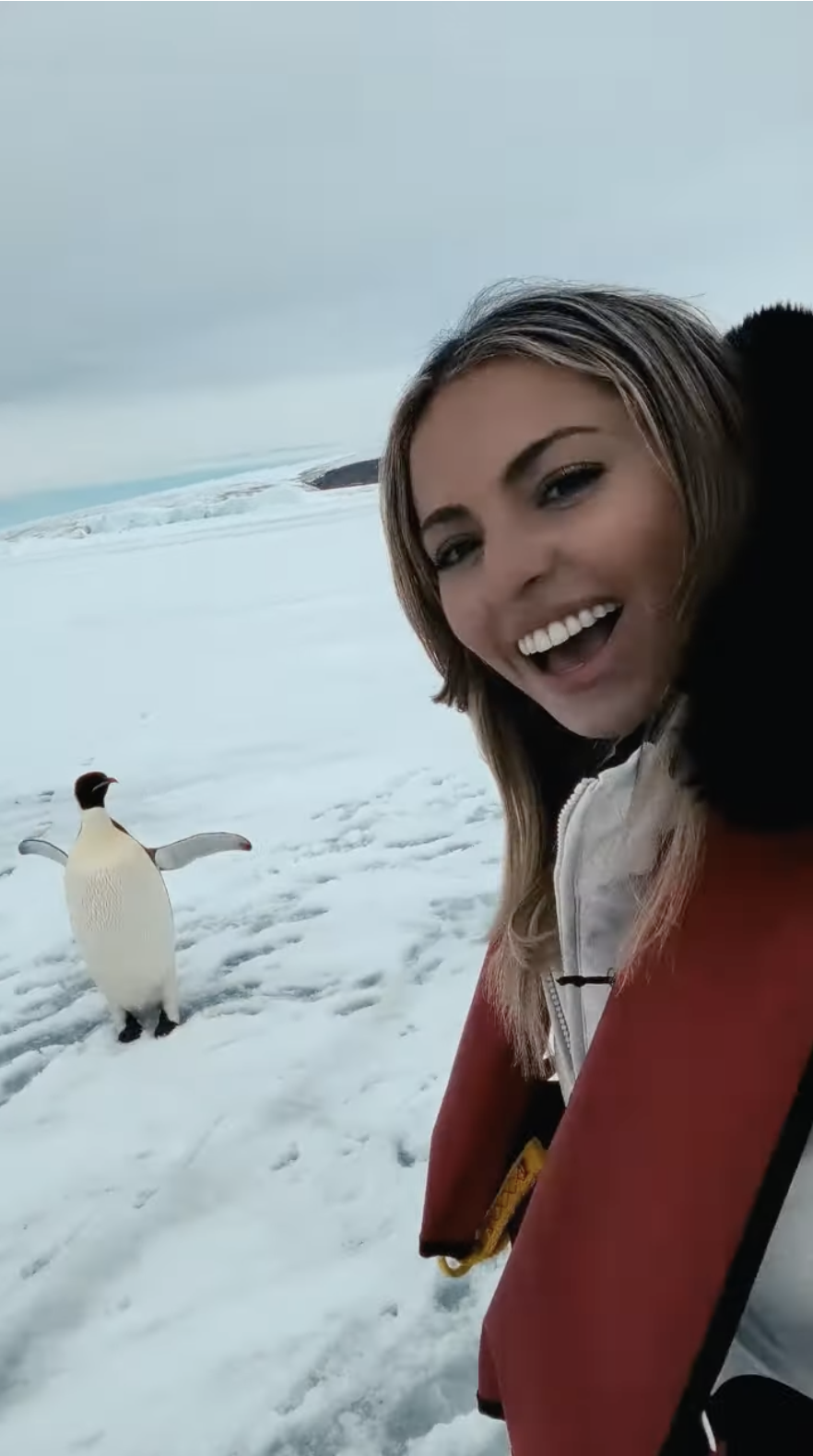
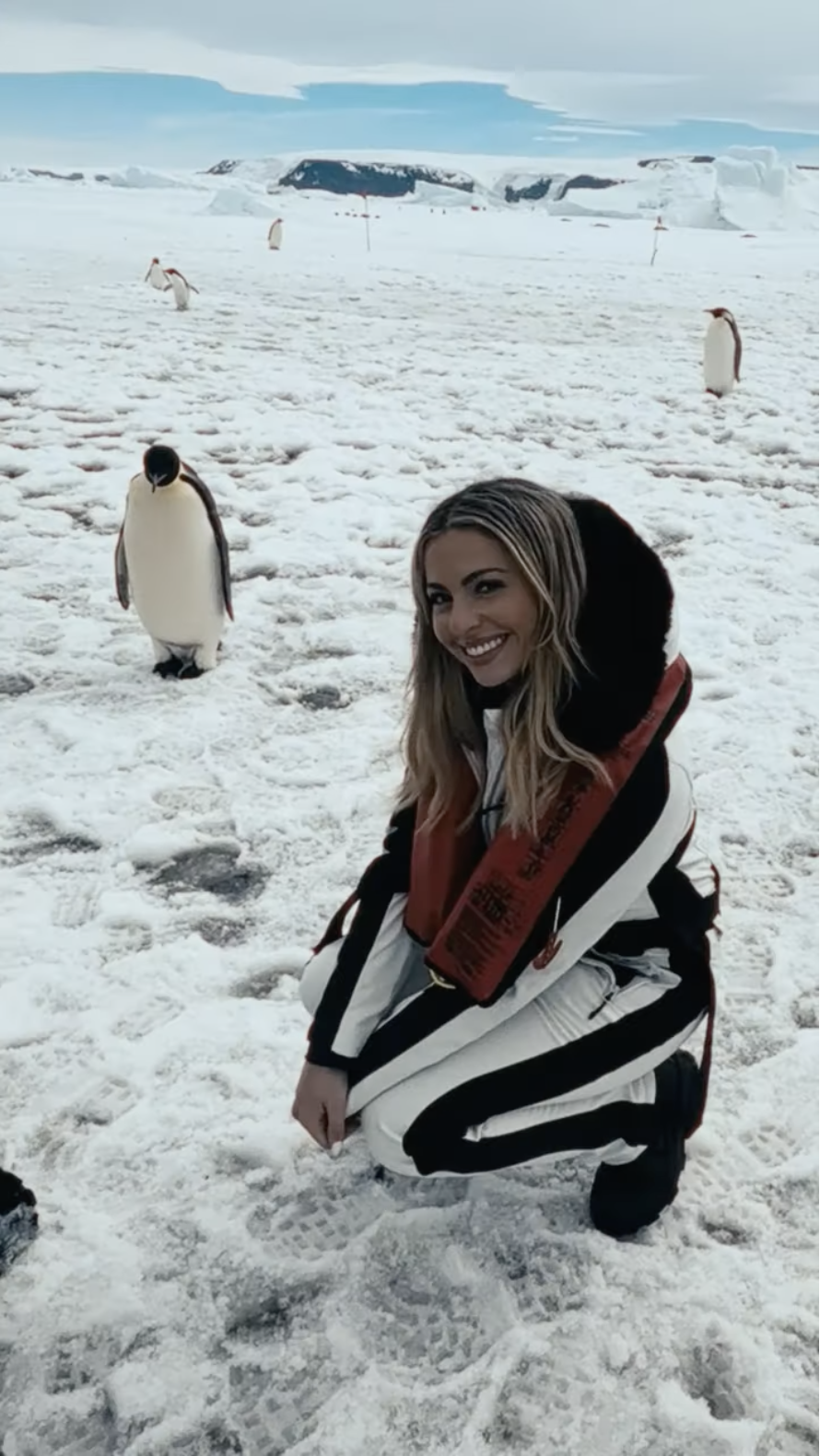
Antarctica’s precious species are at the same time under the threat of overfishing of krill—the cornerstone of the Antarctic food chain—and of the intrusion of PCBs, PFAS and other Persistent Organic Pollutants, which weaken their immune systems.
The tourism industry brings with it its share of E. coli, salmonella, Campylobacter jejuni and other infectious agents left behind by visitors during their fleeting visits to the colonies or discharged by ships in their wastewater. According to the few scientific works available, human pathogens isolated in penguins, south polar skuas, other bird species such as black-browed albatrosses, and marine mammals such as Weddell seals may have been introduced into the Antarctic Treaty Area through human activities.
While, since the Antarctic summer of 2023, avian influenza has become yet another threat facing Antarctic wildlife, non-essential human activities such as tourism should be suspended in order to prevent the spread of human-borne viruses and bacteria on the Antarctic continent.
Illustrations:
– Watercolour of emperor penguins from ” L’empereur de l’Antarctique” (The Emperor of Antarctica), by Jacky Bonnemains and Omar Faye (co-founders of Robin des Bois), published by Berger-Levrault, 1985.
– Screenshots from “Emperor Penguins of Snow Hill Island, Real Life Happy Feet”, Adventures by Sky, Bucket List Travel, February 2024.
Sources:
– Barbosa A., Varsani A., Morandini V., Grimaldi W., Vanstreels R.E.T., Diaz J.I., Boulinier T., Dewar M., González-Acuña D., Gray R., McMahon C.R., Miller G., Power M., Gamble A., Wille M. Risk assessment of SARS-CoV-2 in Antarctic wildlife. Science of the Total Environment, 755(2), 143352 (2021).
– Cerdà-Cuéllar M., Moré E., Ayats T., Aguilera M., Muñoz-González S., Antilles N., Ryan P.G., González-Solís J. Do humans spread zoonotic enteric bacteria in Antarctica? Science of The Total Environment, 654, 190-196 (2019).
– Grimaldi W.W., Seddon P.J., Lyver P.O., Nakagawa S., Tompkins D.M. Infectious diseases of Antarctic penguins: current status and future threats. Polar Biology, 38, 591–606 (2015).
– Kuiken T, Vanstreels R.E.T., Banyard A., Begeman L., Breed A.C., Dewar M., Fijn R., Serafini P.P., Uhart M., Wille M. Emergence, spread, and impact of high-pathogenicity avian influenza H5 in wild birds and mammals of South America and Antarctica. Conservation Biology, 40(1), 70052 (2026).
– Senigaglia V., Hatton MacDonald D., Stoeckl N., Tian J., Leane E., Adams V., Baird R., Boothroyd A., Costanza R., Fulton E.A., Hartman S., Kubiszewski I., Nielsen H., Ooi, C. S. Managing tourism in Antarctica: impacts, forecasts, and suitable economic instruments. Journal of Sustainable Tourism, 34(2), 382–402 (2026).
 Imprimer cet article